


As the leaves begin their spectacular transformation and autumn treasures appear on our playground surfaces, there’s no better time to bring the wonder of the season indoors through creative, hands-on learning. Autumn Nature People, delightful life-sized figures crafted from natural materials, offer EYFS practitioners a perfect blend of seasonal celebration, creative expression, and sensory-rich learning opportunities.
What Are Autumn Nature People?
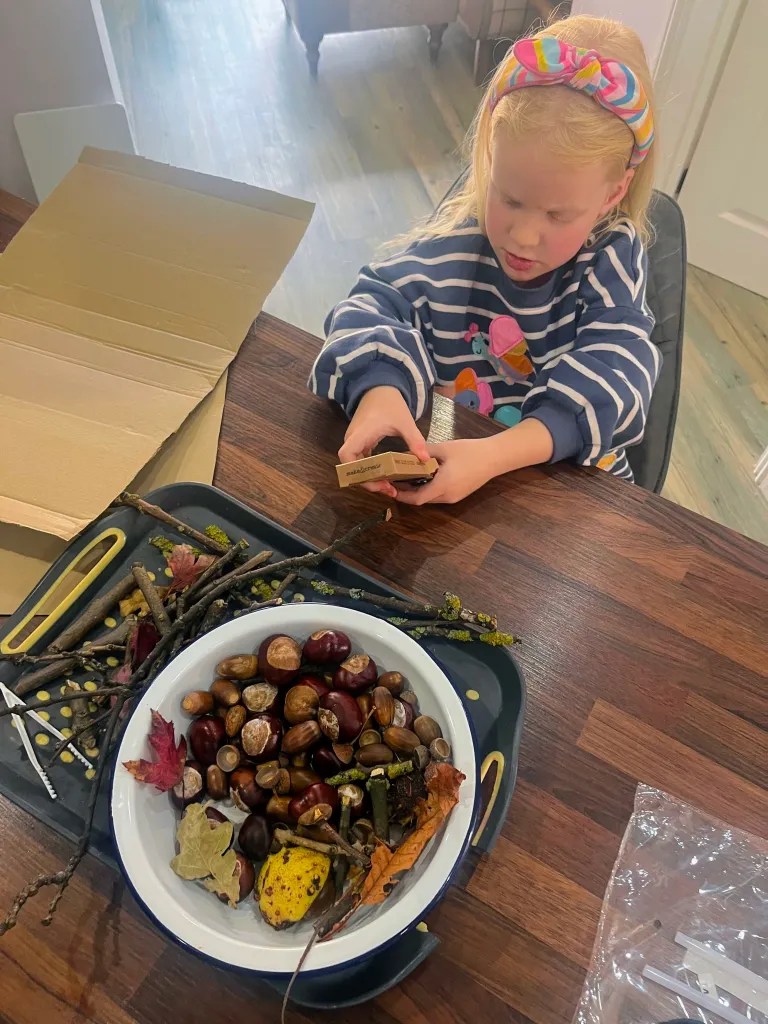
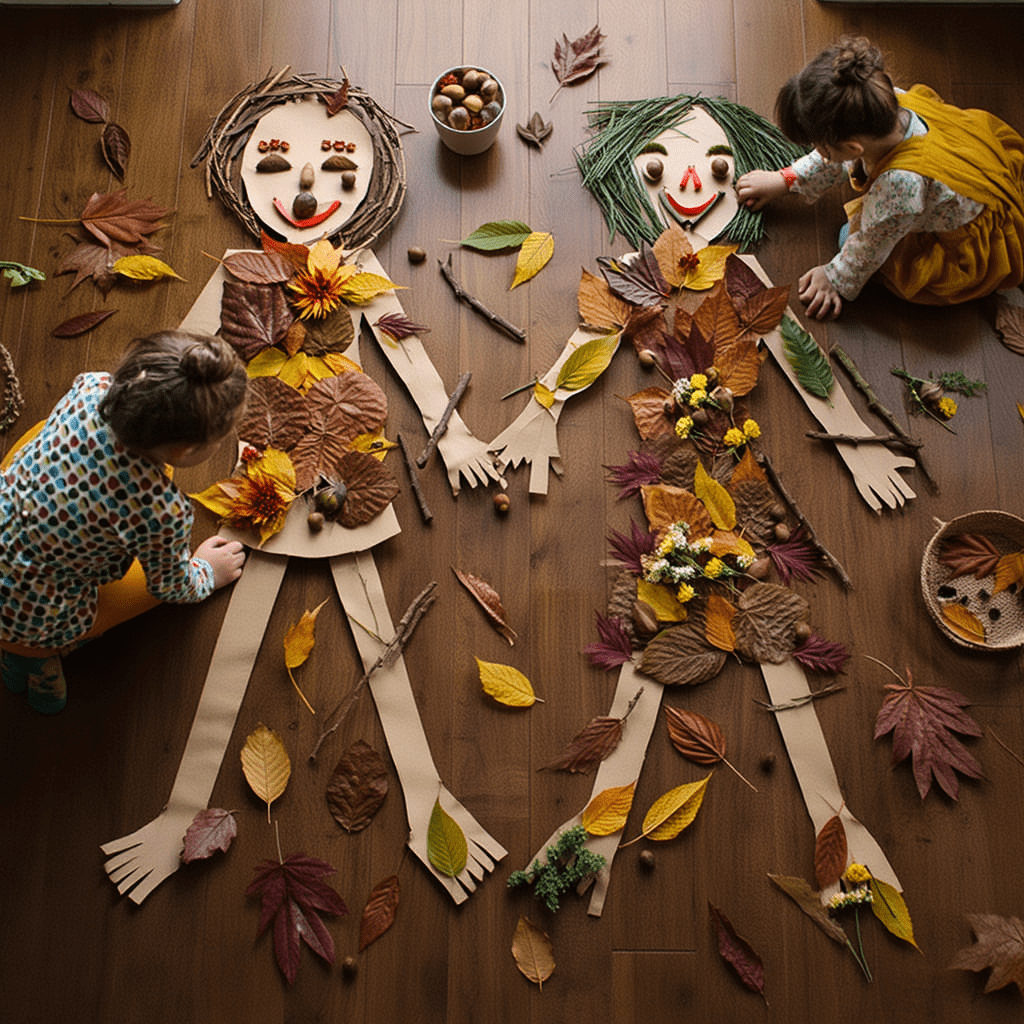
Autumn Nature People are large-scale craft figures created by combining simple paper/card templates with an abundance of natural materials collected during autumn forest walks. Children work collaboratively to “dress” life-sized paper outlines using colourful leaves, twigs, acorns, conkers, and other seasonal treasures, creating unique characters that celebrate both nature’s bounty and their own creativity.
This engaging activity transforms collected autumn materials into purposeful learning tools while providing children with a tangible connection to the changing seasons around them.


EYFS Curriculum Links
Prime Areas of Learning
Communication and Language
- Vocabulary development through describing textures, colours, and seasonal changes
- Collaborative discussion during material selection and placement
- Storytelling opportunities using completed Nature People as characters
- 130+ Awesome Autumn Rhyming Words
Physical Development
- Fine motor skills through careful placement of small natural materials
- Hand-eye coordination when arranging intricate leaf patterns
- Gross motor development during outdoor collection walks
Personal, Social and Emotional Development
- Collaborative working and turn-taking during group creation
- Sense of achievement and pride in completed figures
- Respect for natural materials and outdoor environments

Specific Areas of Learning
Mathematics
- Counting leaves, acorns, and other natural materials
- Sorting by size, colour, and type
- Creating patterns and sequences with arranged materials
- Comparing quantities and making mathematical observations
Understanding the World
- Seasonal awareness and change recognition
- Properties of natural materials and their characteristics
- Environmental appreciation and outdoor learning connections
Expressive Arts and Design
- Creative representation and artistic expression
- Colour exploration through natural autumn palettes
- Design decisions and aesthetic choices
- Three-dimensional art creation
Materials Needed
Basic Supplies
- Large sheets of brown kraft paper or cardboard
- Child-safe scissors
- Glue sticks or PVA glue
- Pencils for initial outlines
Natural Materials Collection
- Autumn leaves in various sizes, colours, and shapes
- Twigs and small branches
- Acorns and conkers
- Pine cones and seed pods
- Small flowers (ensure non-toxic varieties)
- Bark pieces and interesting stones
- Dried grasses and reeds
I would avoid using Berries completely and if you have children that mouth objects or have PICA I would avoid this activity.]
Additional Decorative Elements
- Wool or yarn for hair alternatives
- Fabric scraps for clothing elements
- Buttons or beads for facial features
- Ribbon or string for accessories
Step-by-Step Instructions
Preparation Phase
- Template Creation: Draw or trace life-sized human outlines onto kraft paper. For younger children, pre-cut templates work best, while older children can participate in the drawing process.
- Material Organisation: Sort collected natural materials into accessible containers or trays, grouping by type or colour to encourage selection and decision-making.
- Workspace Setup: Ensure adequate floor or table space for children to work around their figures comfortably.
Creation Process
Step 1: Face Design Begin with facial features using smaller materials. Acorn caps make excellent eyes, while small twigs can create smiling mouths. Berry clusters work beautifully for rosy cheeks.
Step 2: Hair Creation Use longer leaves, dried grasses, or wool to create hair. Maple leaves provide wonderful flowing locks, while pine needles can create spiky, textured styles.
Step 3: Clothing Construction Layer larger leaves to create clothing effects. Overlap materials to suggest shirts, dresses, or jackets. Different leaf shapes can represent various clothing items.
Step 4: Finishing Touches Add accessories using twigs for arms holding flowers, acorns as buttons, or small branches as walking sticks.
Differentiation Strategies
For Younger Children (30-42 months)
- Provide pre-cut templates and larger natural materials
- Focus on simple placement activities rather than intricate designs
- Offer hand-over-hand support during gluing processes
- Celebrate exploratory play with materials
For Older Children (40-60+ months)
- Encourage independent template creation and cutting (with supervision)
- Introduce pattern-making challenges within clothing design
- Discuss seasonal vocabulary and material properties
- Incorporate storytelling elements about their created characters
SEND Considerations
- Provide adaptive tools for children with fine motor difficulties
- Offer sensory-rich material exploration for children with sensory processing needs
- Use visual supports and step-by-step picture guides
- Allow flexible participation levels based on individual needs and interests
Extension Activities
Mathematical Development
- Nature People Counting: Count materials used on each figure
- Measurement Comparisons: Compare heights, leaf sizes, or twig lengths
- Pattern Recognition: Create repeating patterns within clothing designs
- Shape Exploration: Identify shapes within natural materials
Literacy Connections
- Character Stories: Write or dictate stories about the Nature People’s adventures
- Descriptive Language: Develop vocabulary describing textures, colours, and seasonal changes
- Name Creation: Invent names for characters based on their natural material features
Science Exploration
- Material Properties: Investigate which materials stick best and why
- Seasonal Changes: Document how collected materials change over time
- Classification Activities: Sort materials by various properties and characteristics
Health and Safety Considerations
Material Safety
- Pre-check all natural materials for safety, removing any toxic plants or sharp objects
- Ensure berries and small items are non-toxic, especially with younger children
- Supervise closely during material handling and gluing activities
Allergy Awareness
- Be mindful of children with plant or nut allergies
- Have alternative materials available for children who cannot handle certain natural items
- Ensure proper hand washing after handling natural materials
Workspace Safety
- Maintain clear walkways around large floor-based activities
- Ensure adequate supervision ratios during collaborative work
- Keep first aid supplies accessible during outdoor collection and indoor creation
Seasonal Timing and Variations

Peak Autumn Implementation
Schedule this activity during peak autumn colour change (typically October in the UK) when material variety is greatest. The abundance of freshly fallen leaves provides optimal creative opportunities.
Alternative Seasonal Adaptations
- Spring Nature People: Use fresh green leaves, flowers, and new growth
- Summer Variations: Incorporate fresh flowers, grass, and green foliage
- Winter Adaptations: Use evergreen materials, bare twigs, and dried elements
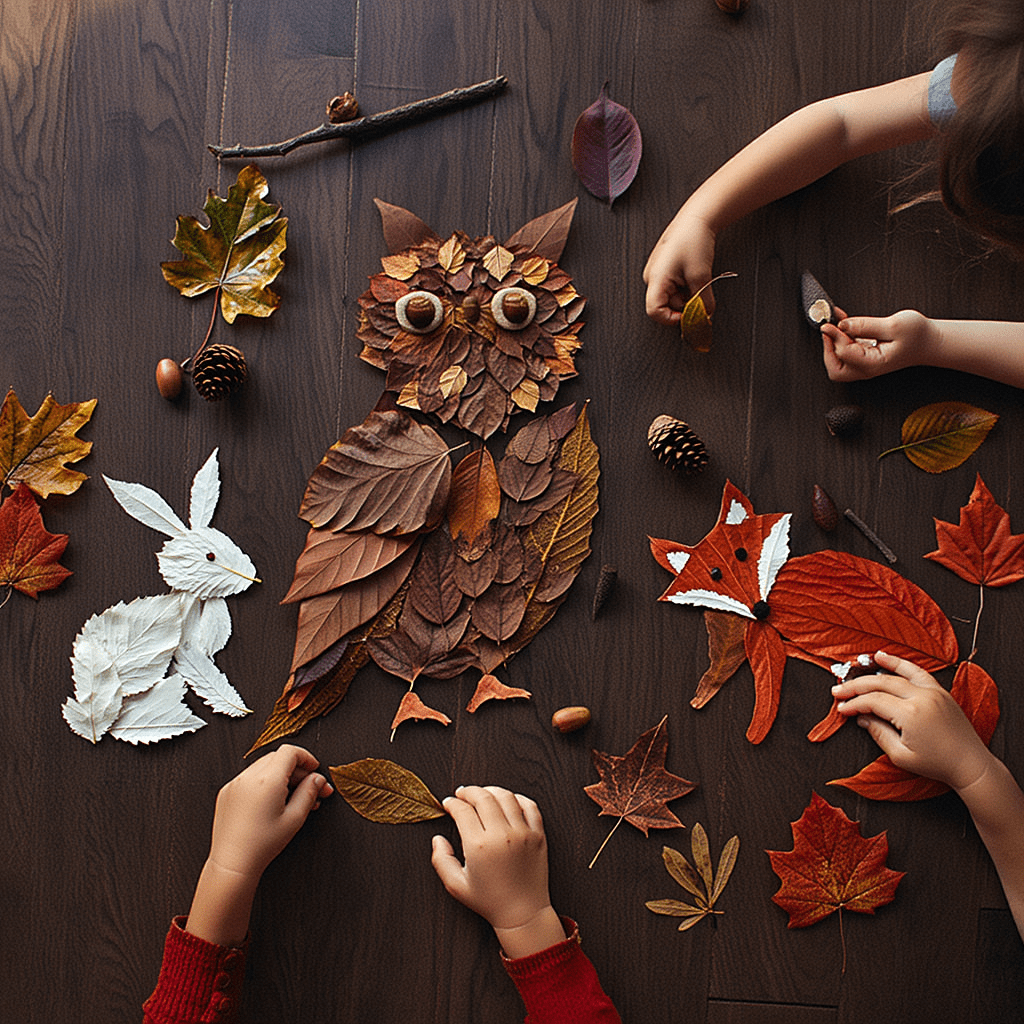
- Animal Figures: Easily swap the people figures for animals.
Storage and Display
Preservation Techniques
- Photograph completed figures before natural materials begin deteriorating
- Press particularly beautiful leaf arrangements for permanent keeping
- Create smaller, more permanent versions using preserved materials
Display Opportunities
- Create a seasonal display area showcasing all completed Nature People
- Develop interactive storytelling corners featuring the characters
- Share creations with families through photo documentation and take-home elements
Conclusion
Autumn Nature People activities offer EYFS practitioners a rich, multi-sensory learning experience that celebrates seasonal change while supporting development across all areas of the curriculum. Through the simple act of decorating paper figures with natural treasures, children develop creativity, mathematical thinking, collaborative skills, and deep connections to the natural world around them.
This engaging craft activity proves that the most meaningful learning often emerges from the simplest materials – reminding us that autumn’s fallen treasures are actually golden opportunities for educational magic.

Remember to adapt activities based on your specific cohort’s needs and interests, and always prioritise safety when working with natural materials and young children.

