

Online Safety Resources for Pupils with SEN
Here are some more symbol-supported online safety resources to use with students with SEN. They can be used for Safer Internet Day 2024 or general digital citizenship resources to prepare children for their digital future. They are in both PPT format and link to the widgit online site if you have a subscription.
Ensuring online safety for children with special educational needs (SEN) is of utmost importance in today’s digital age. These children are particularly vulnerable to various risks and challenges that arise from their unique characteristics and needs. It is crucial to provide them with the necessary support and education to navigate the online world safely. In this brief introduction, we will explore the importance of online safety for children with SEN and highlight some key areas of concern.
Importance of Online Safety for Children with SEN:
- Vulnerability to cyberbullying: Children with SEN, including those with autism, may face a higher risk of cyberbullying due to challenges in social interaction and communication. They may struggle to understand social norms and cues in online contexts, making them potential targets for bullying.
- Oversharing personal information: Children with SEN may have difficulties in social understanding and judgment, leading them to overshare personal information online without realizing the potential risks. This can expose them to identity theft, online predators, or other forms of exploitation.
- Difficulty identifying scams: Children with SEN, especially those with autism, may have trouble recognizing scams or malicious intent online. Their literal thinking and difficulty in understanding dishonesty can make them particularly susceptible to online scams or fraud.
- Internet addiction: Some children with SEN may become overly dependent on the internet due to their intense interest in a particular subject or the comfort of online interactions over face-to-face social interactions [2]. This can lead to an unhealthy balance in their daily activities, impacting their sleep, physical health, and social development.
- Exposure to inappropriate content: Children with SEN may stumble upon or actively seek out inappropriate content online without fully understanding the consequences. This can include violent, sexual, or extremist content that may be harmful or disturbing.
- Difficulty interpreting online social cues: Online communication often lacks non-verbal cues like tone of voice and facial expressions, which can be challenging for children with SEN who already struggle with these cues in face-to-face communication. They may find it difficult to interpret the intent or emotion behind messages online.
- Online Safety and SEN Part 2: Why is teaching online safety so important?
- Online Safety & SEN 1: The Search for Research What is The Risk?
- Safeguarding children with SEND online training | NSPCC Learning
An Online Safety Communication/Discussion Board

This free Widgit Symbol-supported communication board uses common symbols to allow a non-verbal child to communicate with you and ask for help when they are using the internet.
Online Safety Free Matching Worksheet
Here is a simple online safety matching to symbol worksheet – direct link to widget online.

Free Online Safety Logo Bingo
Here is an Internet logo online safety bingo and flashcards – direct link to widget online

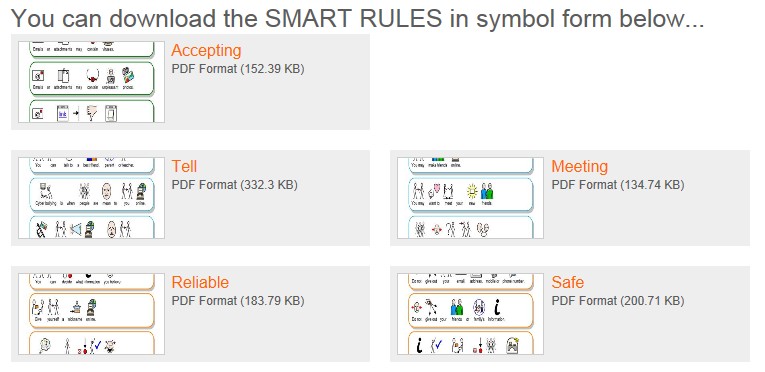
CEOP themselves have some great accessible resources. Click The image below to go to the CEOP site for their SMART rules in symbol format.
Discover more from Special Education and Inclusive Learning
Subscribe to get the latest posts sent to your email.
2 thoughts on “Symbol-Supported Online Safety Resources for Pupils with SEN”